


Essential Tips for Non-Slip Mat Care: Maintaining Your Non-Slip Pilates Mat

When it comes to Pilates, having the right equipment can make all the difference. One of the most important pieces is your mat. A non-slip Pilates mat provides the stability and grip you need to perform exercises safely and effectively. But to keep it working well and looking great, proper maintenance is key. I’ve learned a lot about caring for my mat over time, and I’m excited to share practical tips that will help you extend the life of your mat and keep it fresh.
Why Non-Slip Mat Care Matters
Taking care of your Pilates mat is more than just a routine chore. It’s about preserving the quality and safety of your practice space. A well-maintained mat offers consistent grip, cushioning, and hygiene. Over time, sweat, dirt, and oils can build up, making the surface slippery or unpleasant. This can lead to discomfort or even injury during your workout.
Here’s why I always emphasize non-slip mat care:
Safety: A clean, grippy surface prevents slips and falls.
Comfort: A fresh mat feels better under your hands and feet.
Durability: Proper cleaning and storage extend the mat’s lifespan.
Hygiene: Regular maintenance reduces bacteria and odors.
By investing a little time in care, you protect your investment and enhance every Pilates session.

Practical Tips for Non-Slip Mat Care
Maintaining your mat doesn’t have to be complicated. Here are some simple, effective steps I follow to keep my mat in top shape:
1. Clean Your Mat Regularly
Sweat and dirt can accumulate quickly. I recommend wiping down your mat after every use with a gentle cleaner. You can make a DIY spray with water and a few drops of mild dish soap or use a mat-specific cleaner. Avoid harsh chemicals that can degrade the material.
Spray lightly and wipe with a soft cloth.
For a deeper clean, soak the mat in warm water with mild soap, then rinse thoroughly.
Let it air dry completely before rolling it up.
2. Avoid Direct Sunlight and Heat
Heat and sunlight can cause your mat to warp or fade. I always dry my mat in a shaded, well-ventilated area. Avoid leaving it in a hot car or near radiators.
3. Store Your Mat Properly
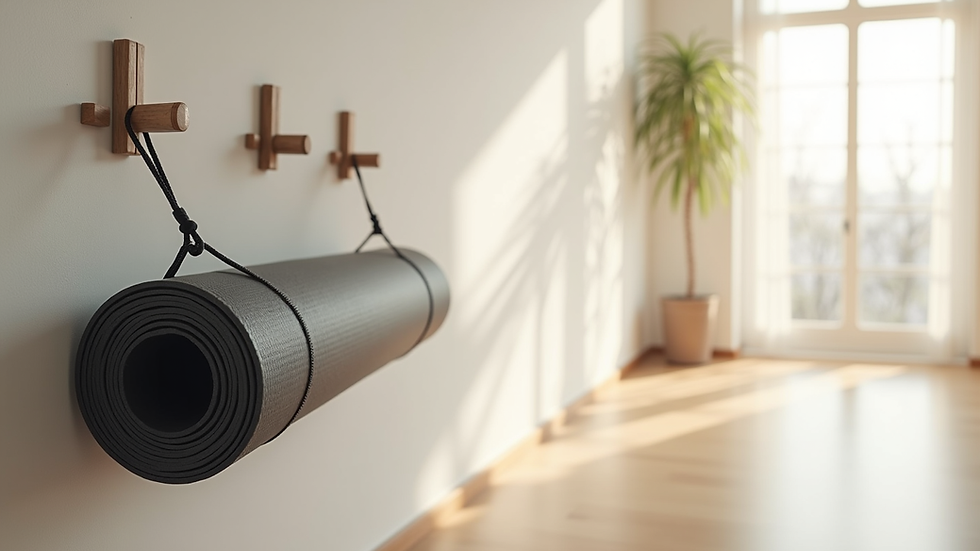
Rolling your mat loosely and storing it in a cool, dry place helps maintain its shape. Some people prefer to hang their mats on hooks or use a mat bag for extra protection.
4. Use a Towel for Extra Protection
If you sweat a lot during your sessions, placing a thin towel on top of your mat can protect it from moisture and oils. This also makes cleaning easier since you can wash the towel regularly.
5. Inspect Your Mat Periodically
Check for signs of wear and tear, such as cracks or thinning areas. If you notice any damage, it might be time to replace your mat to ensure safety.
What is the 80 20 Rule in Pilates?
The 80 20 rule is a helpful concept that applies to many areas of life, including Pilates practice. It suggests that 80% of your results come from 20% of your efforts. In Pilates, this means focusing on the most effective exercises and maintaining consistent practice rather than trying to do everything at once.
When it comes to your mat, this rule reminds me that quality over quantity matters. Investing in a good non-slip mat and caring for it properly (the 20%) will give you the best experience and results (the 80%). It’s about smart choices and steady habits.
How to Remove Odors and Stains from Your Mat
Even with regular cleaning, mats can develop stubborn odors or stains. Here are some tips I use to refresh my mat when it needs a little extra care:
Baking Soda: Sprinkle baking soda on the mat, let it sit for 15 minutes, then wipe or vacuum it off. Baking soda neutralizes odors naturally.
Vinegar Solution: Mix equal parts water and white vinegar in a spray bottle. Spray lightly and wipe down. Vinegar is a natural disinfectant and deodorizer.
Sun Drying: Occasionally, I let my mat air out in indirect sunlight for a few hours. This helps kill bacteria and freshen the material.
Avoid using bleach or abrasive scrubbing tools, as these can damage the mat’s surface.
Sustainable Practices for Mat Care
Sustainability is important to me, and I know it matters to many Pilates enthusiasts. Caring for your mat in an eco-friendly way supports both your practice and the planet. Here are some sustainable tips:
Use natural cleaning ingredients like vinegar and baking soda.
Choose biodegradable or reusable cleaning cloths instead of disposable wipes.
Avoid harsh chemicals that can harm the environment.
When it’s time to replace your mat, look for brands that use recycled or natural materials.
By adopting these habits, you contribute to a healthier planet while enjoying your Pilates sessions.
Keeping Your Pilates Sessions Comfortable and Stylish
A well-maintained mat not only performs better but also looks inviting. I love how a clean, fresh mat adds to the ambiance of my workout space. It motivates me to roll it out and get moving.
If you want to elevate your Pilates experience, consider these small touches:
Choose mats with colors or patterns that inspire you.
Pair your mat with matching accessories like towels or blocks.
Keep your mat area tidy and clutter-free.
These little details make your practice feel special and enjoyable every time.
Maintaining your non slip pilates mat is a simple yet powerful way to enhance your Pilates journey. With regular cleaning, proper storage, and mindful care, your mat will stay safe, comfortable, and ready for every session. Remember, your mat is more than just equipment - it’s your foundation for balance, strength, and wellness. Treat it well, and it will support you for years to come.


Comments